


Read “The Global State of Fraud and Returns” report
Getting personalization in ecommerce right sounds straightforward. You have the data. You have the tools. What could go wrong? A few things. If the experience feels too generic, too aggressive or too personal too soon, it can end up pushing shoppers away instead of pulling them in. How the experience pans out usually comes down to judgment. Good personalization makes shopping easier. Bad personalization makes customers feel creeped out.
Below, we’ll break down what personalization in ecommerce actually means, where it fits across the shopping journey and how to use it in ways that feel helpful instead of invasive.
TL;DR
- Personalization is the broader practice of tailoring the shopping experience to the individual, while segmentation and recommendations can help shape personalization strategies.
- Personalization is only as good as the data behind it. Behavioral, transactional, declared and contextual data all shape how relevant the experience can be.
- Good personalization should match the shopper’s stage in the journey. Early on, relevance is enough. As trust grows, the experience can become more tailored.
What does personalization in ecommerce actually mean?
Personalization in ecommerce involves creating a personalized shopping experience for each visitor. Instead of showing every visitor the same content, offers and product selection, brands use data to make the experience more relevant to every visitor.
In ecommerce, this term can be used fairly loosely. For example, segmentation, product recommendations and personalization often get grouped together, but they aren’t interchangeable.
Segmentation vs. recommendations. vs. personalization |
| What it means | Example | |
| Segmentation | Grouping shoppers into categories (i.e. new visitors, returning customers, loyalty members) and showing each group content or offers tailored to that segment. | Sending the same 20% off promotion to customers who haven’t shopped with you in 45 days. |
| Recommendations | Showing product suggestions based on browse history, purchase history or purchase patterns from similar customers. | Showing shoppers “customers also added to cart” recommendations, based on what similar customers bought or bundled together. |
| Personalization | Adapting the shopping experience to the individual shopper using real-time behavioral and contextual data. | Showing a shopper a landing page with products and offers based on what they’ve previously browsed. |
Despite the differences in what they do, they all depend on the same foundation: data.
What data powers personalization?
Personalization in ecommerce relies on four main data buckets to be effective.
Behavioral data
Behavioral data comes from how shoppers interact with your site or app. This includes the pages they view, what they search for, what they click on, which items they add to cart and how much time they spend browsing. For example, you might see that a shopper frequently views sectional sofas but never finishes checking out.
Transactional data
Unlike behavioral data, transactional data reflects real decisions instead of browsing intent. It shows what a shopper has actually bought from you, how much they usually spend, how often they purchase and whether they have a history of returns or refund requests. That makes it useful for understanding value, habits and post-purchase patterns over time. For example, a customer who reorders a post-workout recovery supplement every three weeks may be a good fit for a replenishment reminder.
Declared data
Declared data (sometimes called “zero-party data”) is information shoppers give you directly. That might be their clothing size, favorite brands, birthday, shopping interests, survey responses or loyalty status. It helps you personalize based on preferences the shopper has knowingly shared.
Contextual data
Contextual data describes the circumstances around a shopping session, like the device someone is using, where in the world they’re shopping from and how they arrived at your digital storefront. For example, a shopper might come to your site from a Google search, a paid ad, a social media post or an email campaign.
Loyalty and offer engagement can make those signals even more useful over time. When shoppers activate certain offers, redeem rewards in specific categories or engage with promotions across channels, they reveal more about what they actually value.
Examples of personalization in ecommerce across the shopping journey
Personalization can show up at almost every point in the customer journey, from the first time someone finds your brand to what happens after the order is delivered.
- When a shopper first finds you: This is often the first place personalization shows up. Someone might see an ad tied to products they’ve viewed before, land on a page tailored to their interests or see content that reflects what they’ve browsed, searched for or clicked on in the past.
- When a shopper is deciding what to look at: As shoppers start browsing, personalization can help narrow the field. That might mean product recommendations, recently viewed items, personalized collections, smarter category sorting or content that reflects their size, style, budget or shopping preferences.
- When you’re trying to bring a shopper back: Personalization also shows up in the messages you send to reengage with them. Emails, SMS, app notifications and onsite prompts can all be shaped by what a shopper did or didn’t do — whether they abandoned a cart, reached a loyalty tier or hit a certain point in the customer lifecycle.
- When a shopper is close to buying: This is where personalization can help remove hesitation. You might show a tailored 10% off discount or free shipping for orders over $35 to help them convert.
- When a shopper is checking out: Personalization can make checkout feel faster and easier too. Think saved payment methods, preferred shipping options, relevant BNPL offers and checkout flows that adjust based on customer history, trust signals or risk level.
- After an order is placed: Personalization doesn’t stop once someone buys something from you. It can shape the post-purchase experience through order updates, product education, reorder reminders, cross-sell recommendations, support content and even return or instant refund experiences based on the shopper’s risk level.
Why it’s so important to get personalization right, and at the right stage in the journey
Personalization is one of the pillars for growing customer lifetime value (CLTV), and getting personalization right matters because it shapes both the online shopping experience and the business results that follow. When you make the experience more relevant, shoppers are more likely to find what they want and complete their purchase. In fact, according to McKinsey & Company, personalization can lift revenue by 5% to 15%.
There is a limit, however. When personalization feels too obvious, too specific or disconnected from what a shopper knowingly shared with you, it can start to feel invasive instead of helpful.
An example of personalization at the wrong moment
I experienced a version of personalization at the wrong stage recently. I was served an ad on LinkedIn offering free teeth whitening in New York that opened with: “Hi Channing! Do you still work for Signifyd in NYC?”
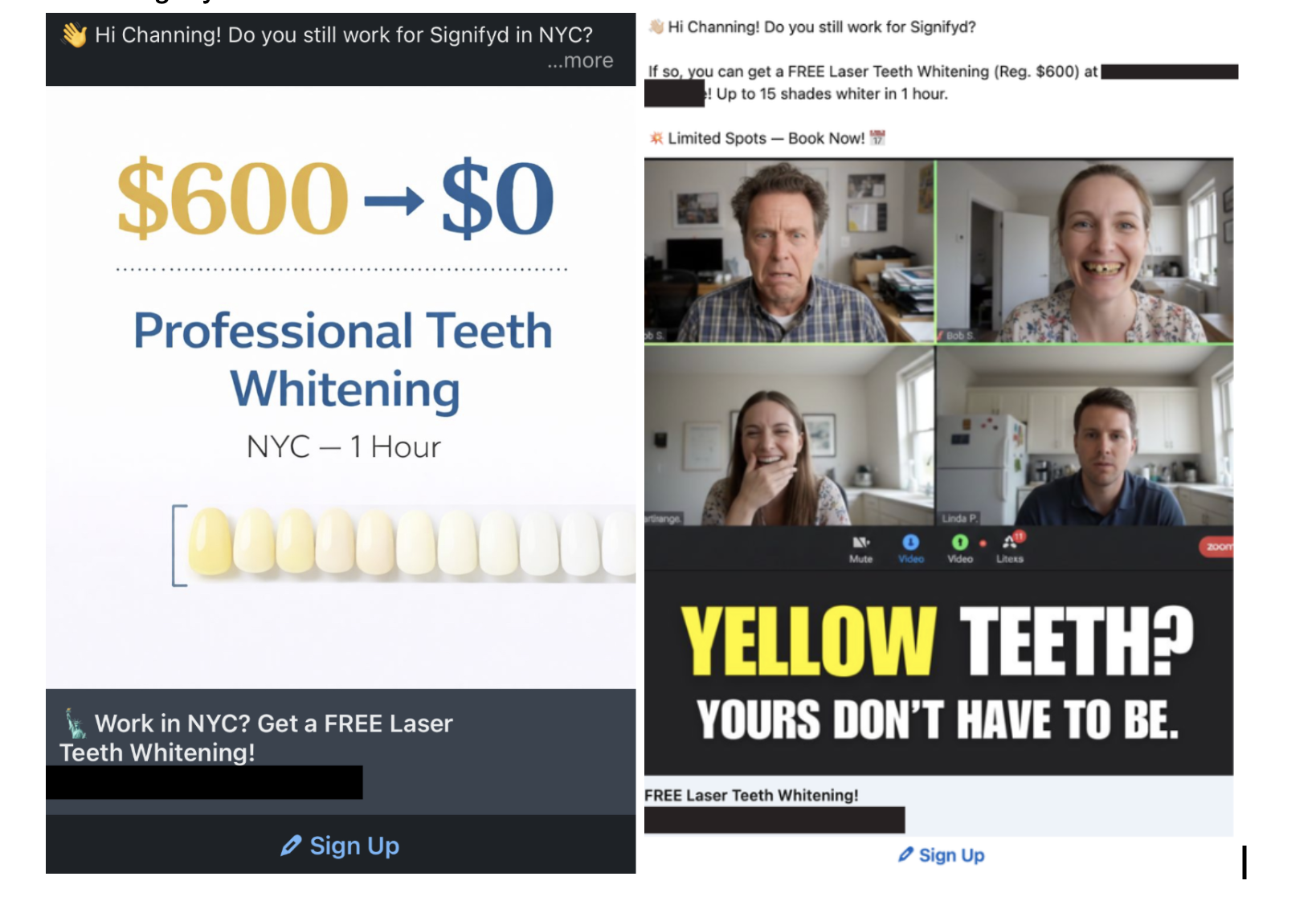
The details came straight from my profile, but seeing my name, employer and location referenced so directly in an ad for a cosmetic service felt too personal. Rather than making the ad feel relevant, it made the brand feel intrusive, especially since I’d never interacted with them before. If I had already visited their site, clicked prior ads or signed up for emails, that level of personalization would’ve felt fine. But for a first interaction, it was off-putting. So, instead of luring me into their office with a free teeth whitening service if I booked a cleaning, or whatever the fine-print offer was, the ad did the opposite.
The same dynamic can happen in ecommerce. A product recommendation based on something a shopper just browsed will usually feel helpful. A message that seems to know too much, too quickly can have the opposite effect and push that shopper away instead.
An example of personalization at the right moment
On the flip side, I also experienced a great example of proper personalization recently. I’m getting married later this year, so I’ve been perusing quite a few sites for things I still need, like a dress for our rehearsal lunch and a second look for our afterparty.
A month or two ago, I logged into my account with a well-known fashion and home goods retailer and placed an order for some basics. During the session, I browsed through their wedding collection, but didn’t add anything from that particular category to my cart.
A few weeks later, I received an email from the brand about new items in their bridal event collection and I couldn’t help clicking through. Again, I scrolled through their product listings, took a deeper look at a few dresses and left without buying anything. The next morning, I woke up to a follow-up email with the subject line “We saw you checking us out…” Inside, they offered a 10% off coupon and highlighted some of the items I had viewed.
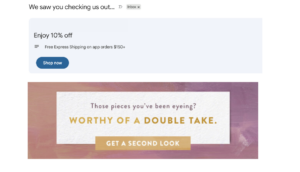 Instead of feeling creepy, that level of personalization felt relevant and helpful. The brand recognized my ongoing interest in wedding-related products, responded quickly and gave me a useful reason to come back.
How to start offering better ecommerce personalization
When building an ecommerce personalization strategy, a good rule of thumb is this: Personalization should reduce effort for shoppers, not show off how much you know about them. The more it helps shoppers find what they want, get through checkout easily or solve a post-purchase issue faster, the more natural it tends to feel.
Match personalization to where the shopper is in the journey
A first-time visitor and a loyal customer on their sixth order need completely different things from you. Showing a cold audience the same hyper-specific messaging you’d send a repeat customer doesn’t feel personal — it feels off.
Early in the journey, relevance is enough. If someone is browsing sectional sofas, showing filters for size, color and fabric is helpful. Pushing a message like, “Still looking for a green three-seat sectional for your Brooklyn apartment?” before they have shared those details with you directly is intrusive.
Make checkout easier for genuine shoppers
Personalization can help at checkout too. A repeat customer shouldn’t always have to start from scratch. Surfacing saved payment methods, pre-filling checkout details and prioritizing preferred shipping options can make the path to purchase faster and easier.
It can also help you decide how much friction belongs in the checkout flow in the first place. A shopper with a long, clean purchase history usually doesn’t need the same level of scrutiny as an unrecognized customer or an order that raises risk signals. For example, if a customer has placed several successful orders using the same account, card and shipping address, you might let them check out without making them re-enter saved information or complete another verification step. But if a new order comes from a first-time shopper with expedited shipping, a high-value basket or billing and shipping details that don’t match, the right move is to add steps to confirm their identity.
Use the post-purchase window intentionally
Most ecommerce merchants focus on using personalization tactics to convert new shoppers, but the period right after a purchase is one of the highest-trust moments in the customer-merchant relationship. Over 60% of post-purchase emails (like order confirmations, shipping updates and delivery emails) get opened, which makes them one of the easier places to deliver relevant follow-up content.
For a beauty brand, that might mean using a shipping email to recommend a complementary product or share a quick product education tip. For a retailer selling pet care products, it might mean setting up a reorder reminder or encouraging an auto-replenishment subscription. For a first-time customer, it could be a timely loyalty program invitation while the brand is still top of mind. The point isn’t to squeeze another promotion into every message, but to use a high-attention moment to offer something else that aligns with their purchase.
Design returns and refunds around earned trust
Not every return request deserves the same path because not every customer brings the same level of trust, history or risk.
A loyal customer returning an item because the fit was off is not the same as a first-time shopper to your site whose broader commerce history may already point to abuse, like repeated “item not received” claims or unusually frequent returns with other retailers. Treating both the same creates the wrong outcome either way: you add unnecessary friction for a good customer or make it too easy for abusive behavior to slip through. For example, offering instant refunds to customers whose order history and risk profile support it, while routing higher-risk requests through standard fraud review.
Personalization works best when it feels like good service
The strongest personalization strategies usually don’t look extremely flashy. They look like a smoother path to the right product, a simpler checkout, a more useful follow-up message or a returns experience that reflects the customer in front of you. In other words, the best personalization in ecommerce often feels less like marketing and more like good service.
If you’re wanting to create more relevant customer experiences without adding unnecessary friction, Signifyd can help. Drawing on data from our Commerce Network, we help merchants reduce fraud and abuse risk across the shopper journey while making it easier to keep good customers moving.That includes post-purchase moments too. With Instant Refunds, merchants can deliver faster refund experiences for trusted customers while applying more scrutiny where it’s actually needed.
Photo by Getty Images
For a deeper look at the trends shaping customer experiences, loyalty and ecommerce growth, read Signifyd’s Global State of Commerce 2026 report.
FAQs
What is personalization in ecommerce?
Personalization in ecommerce is the practice of tailoring the online shopping experience to individual shoppers using behavioral, contextual, transactional and declared data. Rather than showing all visitors the same content and offers, brands use what they know about a shopper to make the experience more relevant for that specific person.
Can I personalize the shopping experience for a first-time visitor?
Yes, but the signals are different.
For anonymous first-time visitors, contextual personalization uses the information available in a session: traffic source (what ad or search term brought them), device type, location, time of day and on-site behavior during the visit itself. A visitor arriving from a paid search ad for “men’s waterproof hiking boots” on a mobile device is telling you a lot. You can use that to show a more relevant landing page, surface the right category and serve messaging matched to the apparent intent — without knowing anything about their purchase history.
As the session progresses and the visitor interacts with products, those behavioral signals can immediately inform search rankings and recommendation logic. The experience won’t be as precise as it would be for a returning customer, but it’s better than sending them to a one-size-fits-all landing page.
How can ecommerce brands personalize the shopping experience without being creepy?
The best rule is to use personalization to reduce effort, not to show off how much you know. That means matching personalization to the shopper’s stage in the journey, keeping early interactions relevant rather than overly specific and using customer data in ways that feel helpful at checkout, post-purchase and during returns.
